The Typical Lifespan of an Asphalt Driveway
If you own a home in Minneapolis, you've probably wondered how long your asphalt driveway will hold up. The short answer is that most asphalt driveways last between 15 and 20 years under normal conditions. However, this timeline can vary significantly depending on several factors, including the quality of the initial installation, your local climate, and how well you maintain the surface.
The lifespan of your driveway is heavily influenced by the freeze-thaw cycles that Minneapolis experiences each winter. When water seeps into small cracks and then freezes, it expands and pushes the asphalt apart, creating larger cracks and potholes. This is why driveways in colder climates tend to deteriorate faster than those in milder regions. With proper maintenance and timely repairs, you may be able to extend your driveway's life closer to the 20-year mark, while neglect could reduce it to just 10 to 12 years.
Key Factors That Affect Asphalt Driveway Longevity
Several variables work together to determine how long your asphalt driveway will last. The quality of the original Asphalt Driveway Paving & Installation is foundational. A poorly installed driveway with inadequate base preparation or incorrect asphalt mix will fail much sooner than one installed by experienced professionals. When you invest in quality paving from the start, you're investing in durability.
Weather and climate conditions play an enormous role in driveway deterioration. The intense Minnesota winters with their repeated freeze-thaw cycles are particularly harsh on asphalt. Additionally, UV rays from the sun cause the asphalt binder to oxidize and become brittle over time. Heavy traffic, whether from multiple vehicles or large trucks, also accelerates wear. The weight and frequency of vehicles using your driveway directly correlates with how quickly it will show signs of age.
Maintenance habits are equally critical. Driveways that are sealed every two to three years and receive prompt attention to cracks and damage will outlast those that are ignored. Proper drainage is another essential factor. Water that pools on your driveway or flows toward the edges will penetrate the surface and weaken the base layer underneath, leading to premature failure.
Signs Your Driveway Needs Repair or Replacement
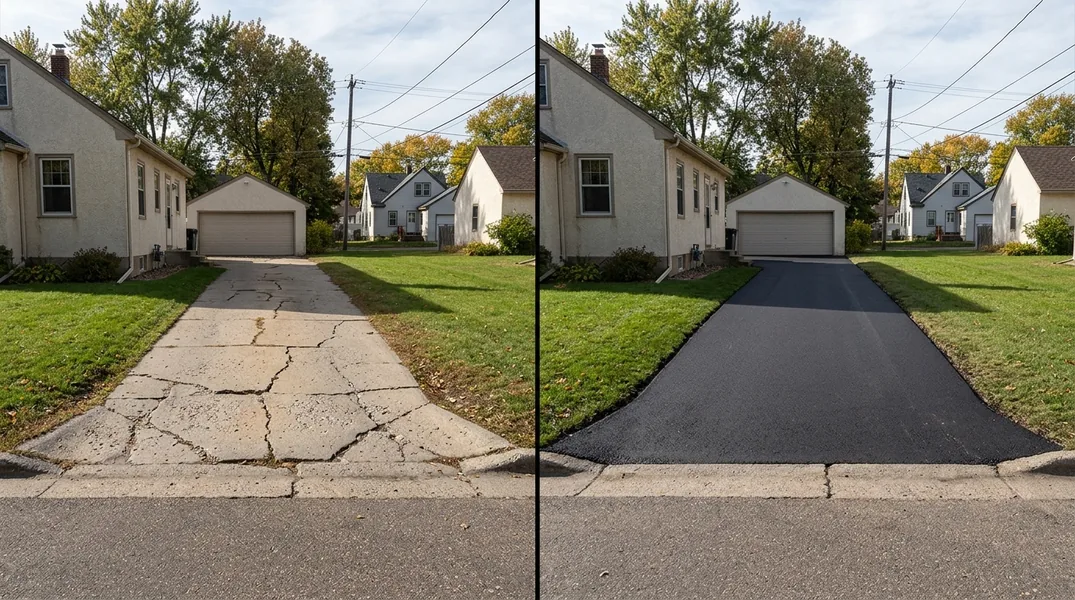
Recognizing the warning signs that your driveway is deteriorating is the first step in deciding whether you need Driveway Repair or a complete replacement. Small cracks, typically less than a quarter inch wide, can usually be sealed and don't necessarily indicate that your driveway is at the end of its life. However, larger cracks, especially those that are wider than a quarter inch or that form alligator patterns (interconnected cracks resembling alligator skin), suggest more serious structural issues.
Potholes are another clear indicator that your driveway is in trouble. These holes form when the base layer beneath the asphalt has been compromised by water infiltration. If you notice several potholes or large sections of missing asphalt, it's time to seriously consider replacement. Significant fading or discoloration can also signal that the asphalt is oxidizing and losing its integrity. Additionally, if you notice water pooling on your driveway after rain or if the surface has developed a wavy appearance, these are signs of base failure or settling issues.
The cost of ongoing repairs should also factor into your decision. If you find yourself making expensive Pothole Repair & Asphalt Patching calls multiple times each year, it may be more economical in the long run to invest in a new driveway rather than continuing to patch problems.
Extending Your Driveway's Lifespan with Proper Maintenance
The good news is that you have significant control over how long your asphalt driveway lasts. Regular maintenance is the most cost-effective way to maximize your investment. Seal coating your driveway every two to three years creates a protective barrier that prevents water from penetrating the asphalt and protects it from UV damage. This simple preventive measure can add several years to your driveway's life and costs far less than major repairs or replacement.
Keeping your driveway clean and free of debris is also important. Leaves, dirt, and organic material can trap moisture against the asphalt surface. Regularly sweeping or power washing your driveway helps prevent this moisture accumulation. You should also address cracks promptly. Small cracks are inexpensive to seal and prevent water from entering the base layer. Ignoring these minor issues allows them to grow into major problems that require extensive repair.
Proper drainage is another maintenance essential. Make sure water flows away from your driveway rather than pooling on it. If you notice areas where water collects, consider having the driveway re-graded or installing drainage solutions. During winter, avoid using salt-based ice melts, as these accelerate deterioration. Instead, use sand for traction or calcium chloride-based products that are less damaging to asphalt.
When to Choose Asphalt Resurfacing vs. Full Replacement
If your driveway is showing significant wear but the base layer is still sound, Asphalt Resurfacing & Overlay may be a viable option that costs less than complete replacement. Resurfacing involves applying a new layer of asphalt over the existing surface. This approach works well if the current base is stable and the damage is primarily surface-level. Resurfaced driveways typically last 8 to 15 years, giving you another decade of use at a fraction of the cost of full replacement.
However, if the base layer has failed, if you have extensive potholes, or if the driveway is severely cracked or settling unevenly, resurfacing won't solve the underlying problems. In these cases, full replacement is the better long-term investment. A new driveway provides you with another 15 to 20 years of reliable service and eliminates the risk of problems recurring in a few years. The decision between resurfacing and replacement depends on the extent of the damage and your budget, so it's worth getting a professional assessment.
Getting Professional Help in Minneapolis
Determining the exact condition of your driveway and the best course of action requires professional expertise. Minneapolis Asphalt Paving has been serving homeowners throughout Minneapolis with quality driveway services for years. Our team can evaluate your driveway's current condition, assess its remaining lifespan, and recommend the most cost-effective solution for your situation.
Whether your driveway needs minor repairs, seal coating to extend its life, resurfacing to refresh the surface, or complete replacement, we have the expertise and equipment to handle the job right. We understand the unique challenges that Minnesota weather poses to asphalt surfaces, and we use proven techniques and quality materials to ensure long-lasting results. If you're unsure about the condition of your driveway or what steps to take next, contact Minneapolis Asphalt Paving at (952) 206-5214 to schedule a free estimate. Our team will provide you with honest, straightforward advice and a clear explanation of your options so you can make the best decision for your home.
Looking for a professional asphalt paving contractor in Minneapolis? Minneapolis Asphalt Paving responds fast for all your asphalt paving needs.
Get a Free Quote